Game Jam // Godot + GDScript
BitFlip: Story Based 2D Platformer
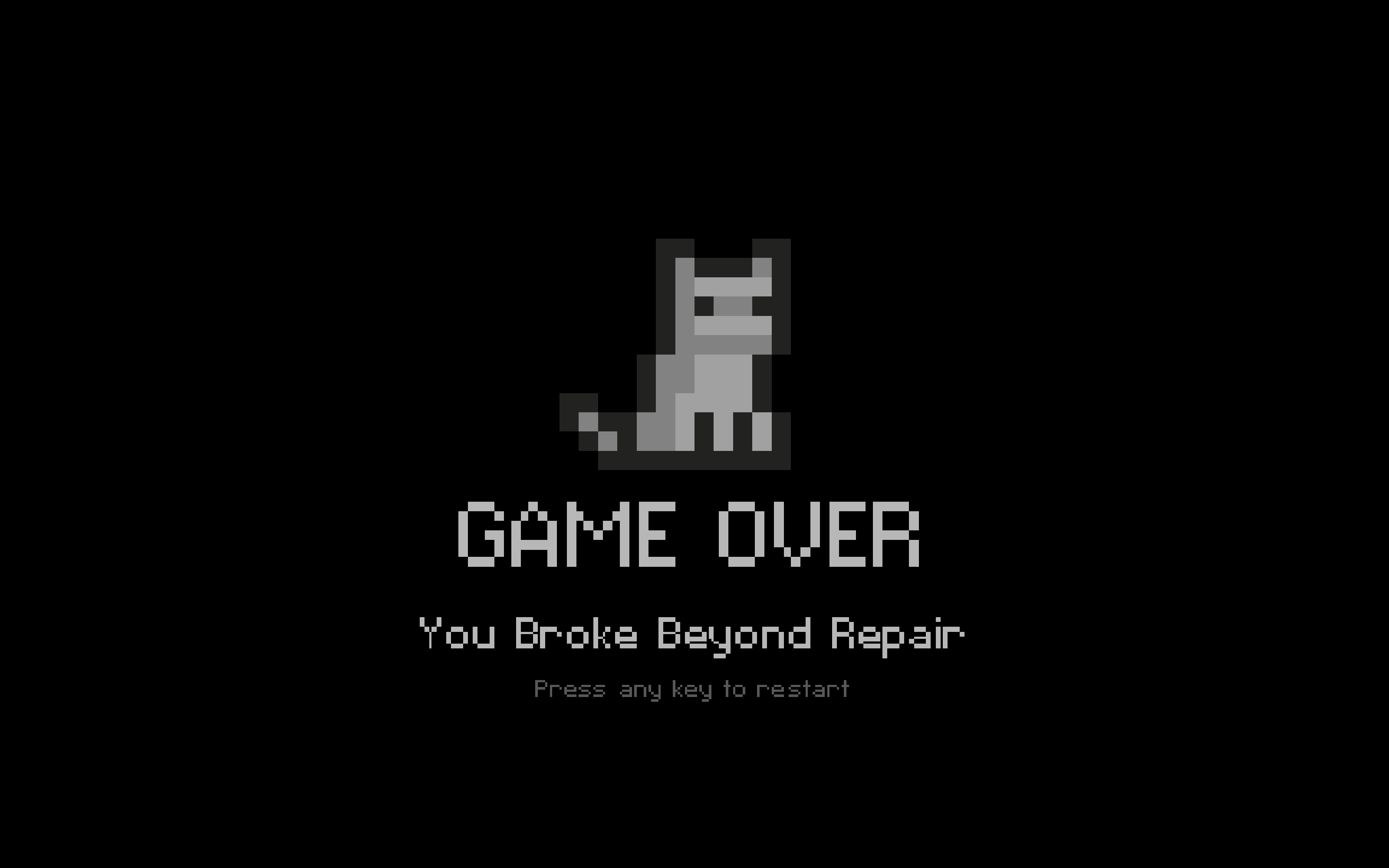
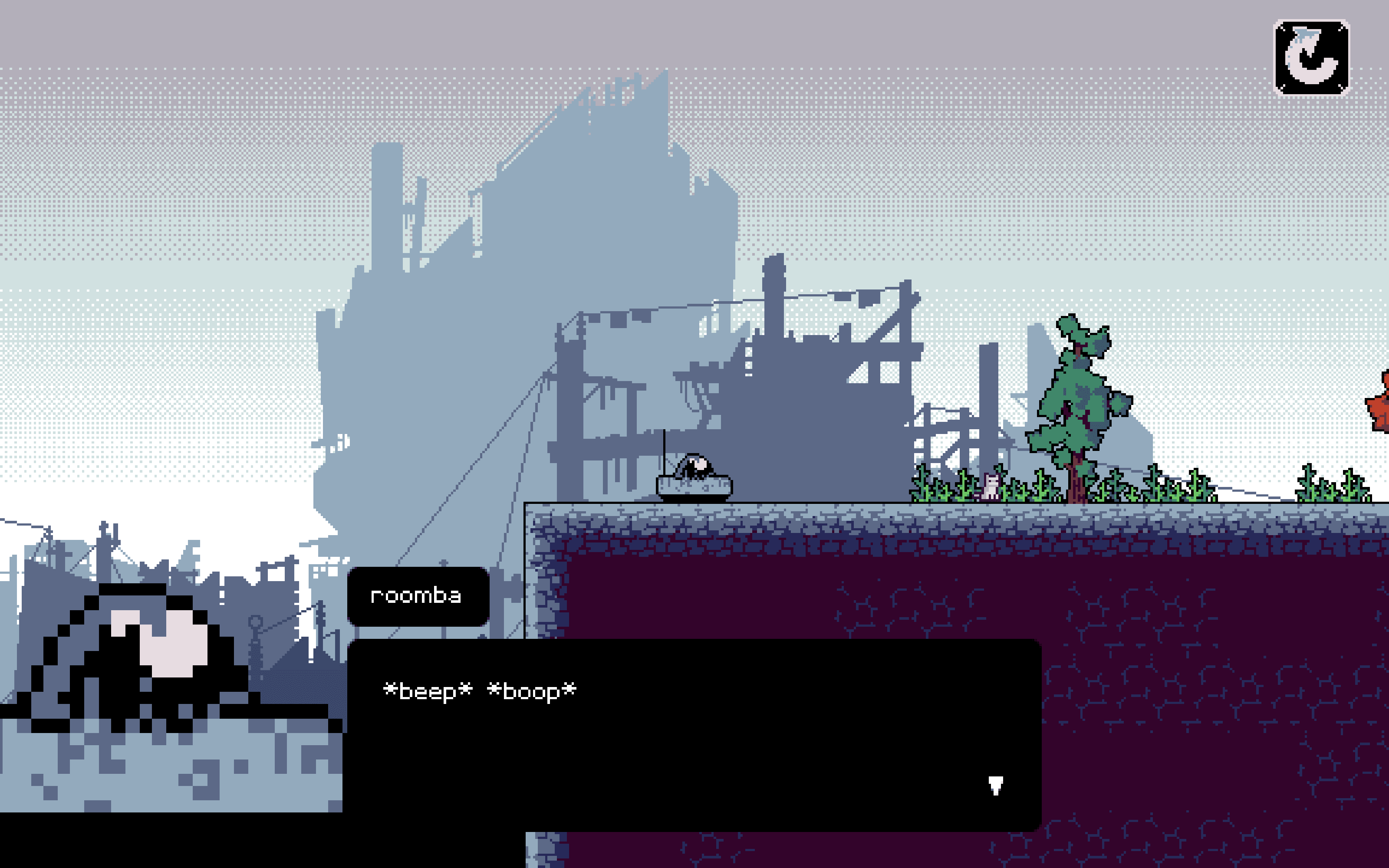
A narrative-rich 2D platformer built in 72 hours with a team of three. You wake up as a broken robot chasing a lone cat through ruins — and the world starts whispering forgotten truths.
01. The problem
Game jams reward finished, memorable games — not engines or ideas. With 72 hours and three people, the problem was scope: how do you ship a complete platformer with a story worth remembering, without running out of time on content? We bet on a tight loop (chase the cat), minimal UI, and environmental storytelling instead of cutscenes or dialogue trees we could never finish.
02. My role
I owned scripting, logic systems, and AI design. Manish handled game design, levels, and difficulty balancing; Shahnawaz owned pixel art and asset integration. That split — design, art, code — meant I never blocked on assets and they never blocked on systems.
03. Architecture
- Modular scene architecture: reusable object and tile scenes so levels could be assembled fast instead of hand-built.
- Custom physics layers: selective interaction between game elements and logic zones (triggers that only fire for the right bodies).
- FSM-driven entity behavior: lightweight finite state machines for the player and triggers — including the cat companion AI that guides the player and carries the story.
- Signal-based triggers: Godot’s signal system for clean event-driven gameplay logic, no polling.
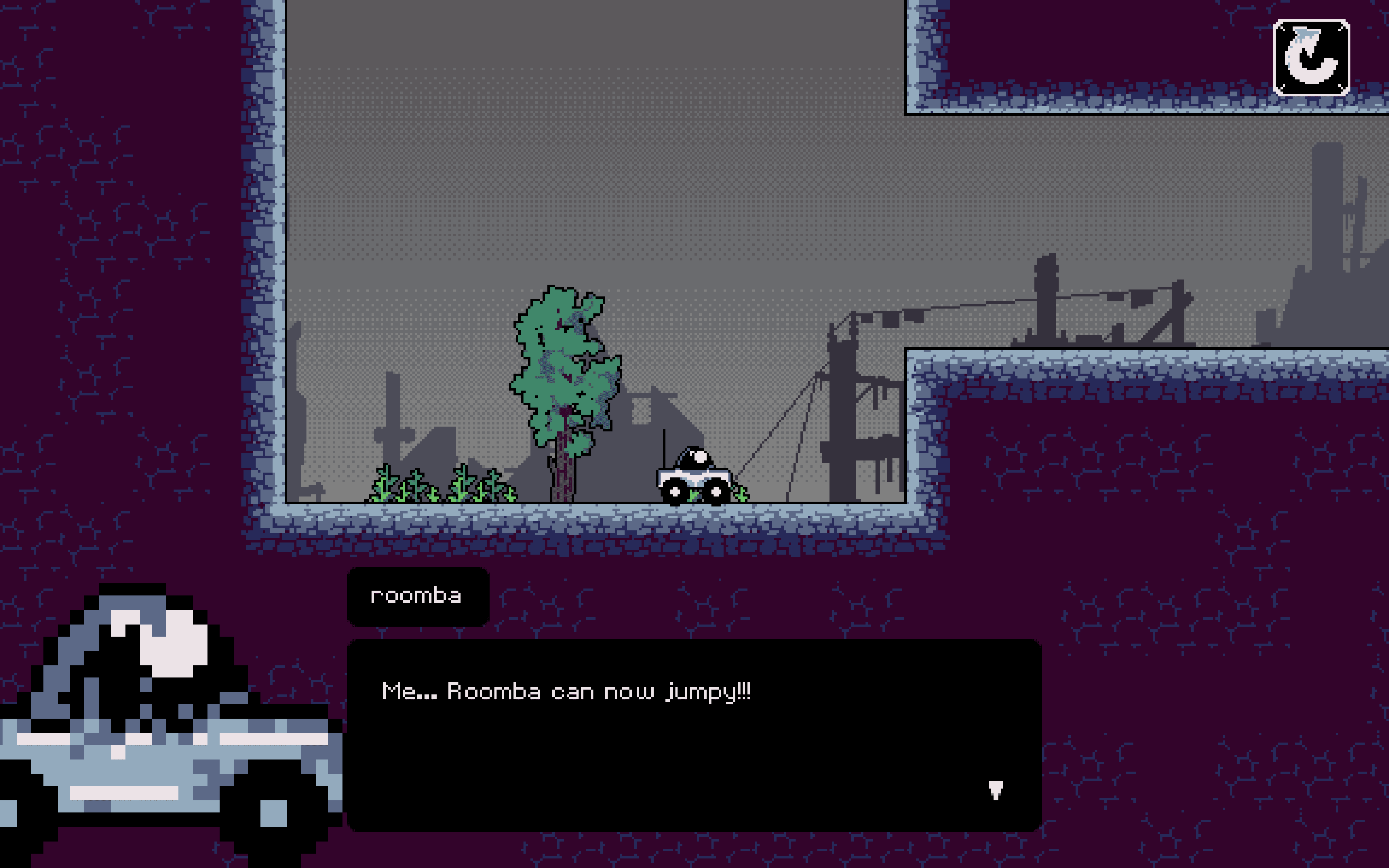
- Game feel systems: coyote time, variable jump height, and jump buffering — the three tunables that make a platformer feel fair.
04. My approach
Start with movement. A platformer lives or dies on how the jump feels, so coyote time, variable jump height, and buffering went in before content. Then the cat: an FSM companion whose movement pulls the player forward is both a guide system and the emotional core — one system doing two jobs is how you survive a 72-hour budget. Royalty-free sprite packs covered art so all custom effort went into systems and level pacing.
05. Learnings
Constraints are a design tool. The 72-hour clock forced the story-into-mechanics approach (a companion AI instead of cutscenes), which became the game’s most praised feature and the reason it won. I also learned that game feel is measurable tuning work, not magic: three jump parameters, iterated against real playtest deaths. What is still missing — save/load, web and Android builds, gravity inversion and memory-echo mechanics — is documented in the repo roadmap rather than pretended done.